The Sidney Cooper building
A Canterbury landmark
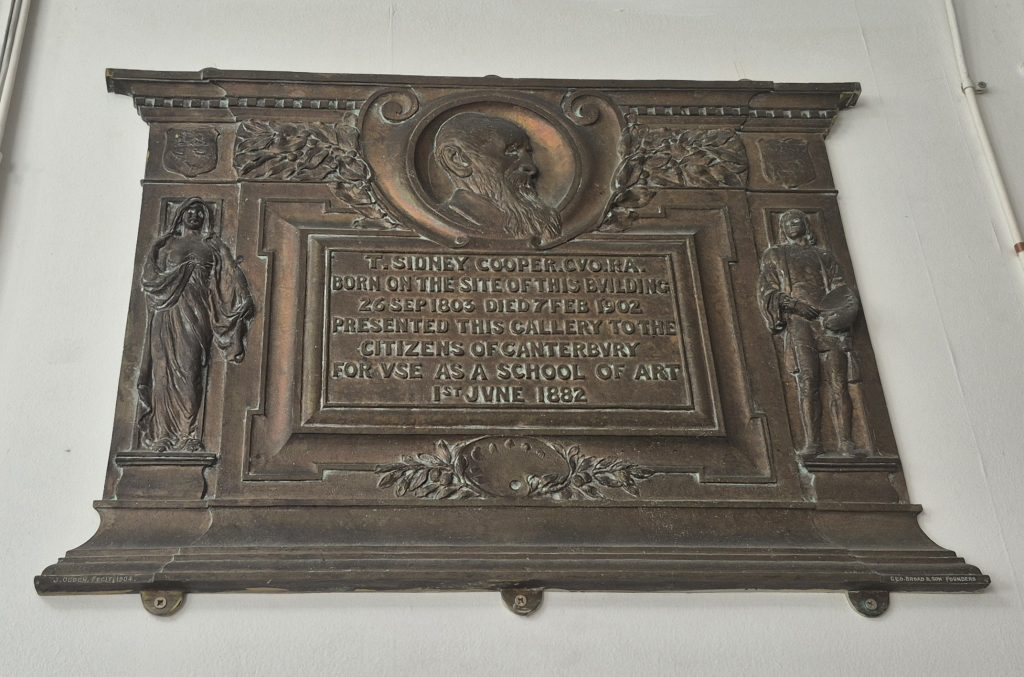
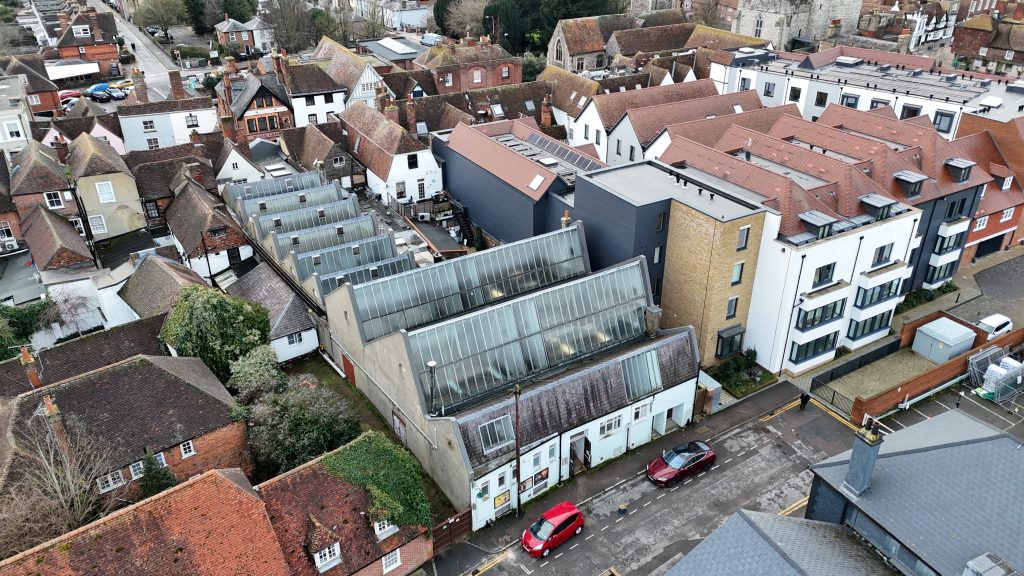
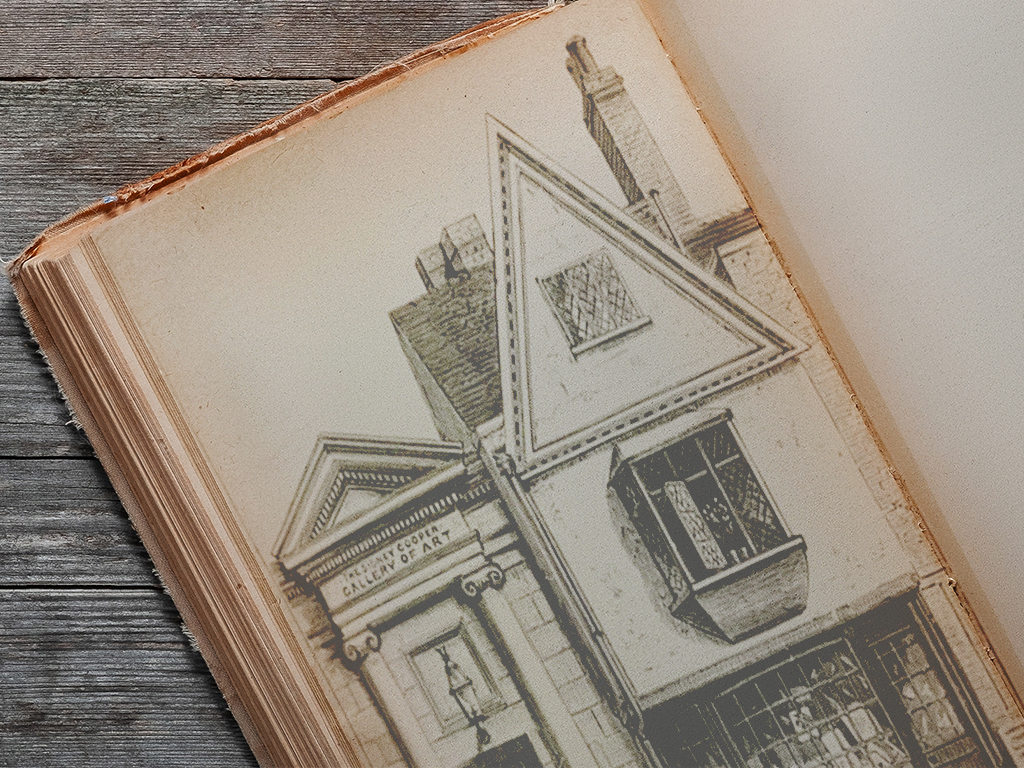
Built in 1868 by Thomas Sidney Cooper (and including his birthplace in the gabled house next to the portico), the gallery and art school on St Peter’s Street (Canterbury high street) offered free or affordable art education to generations of local people.
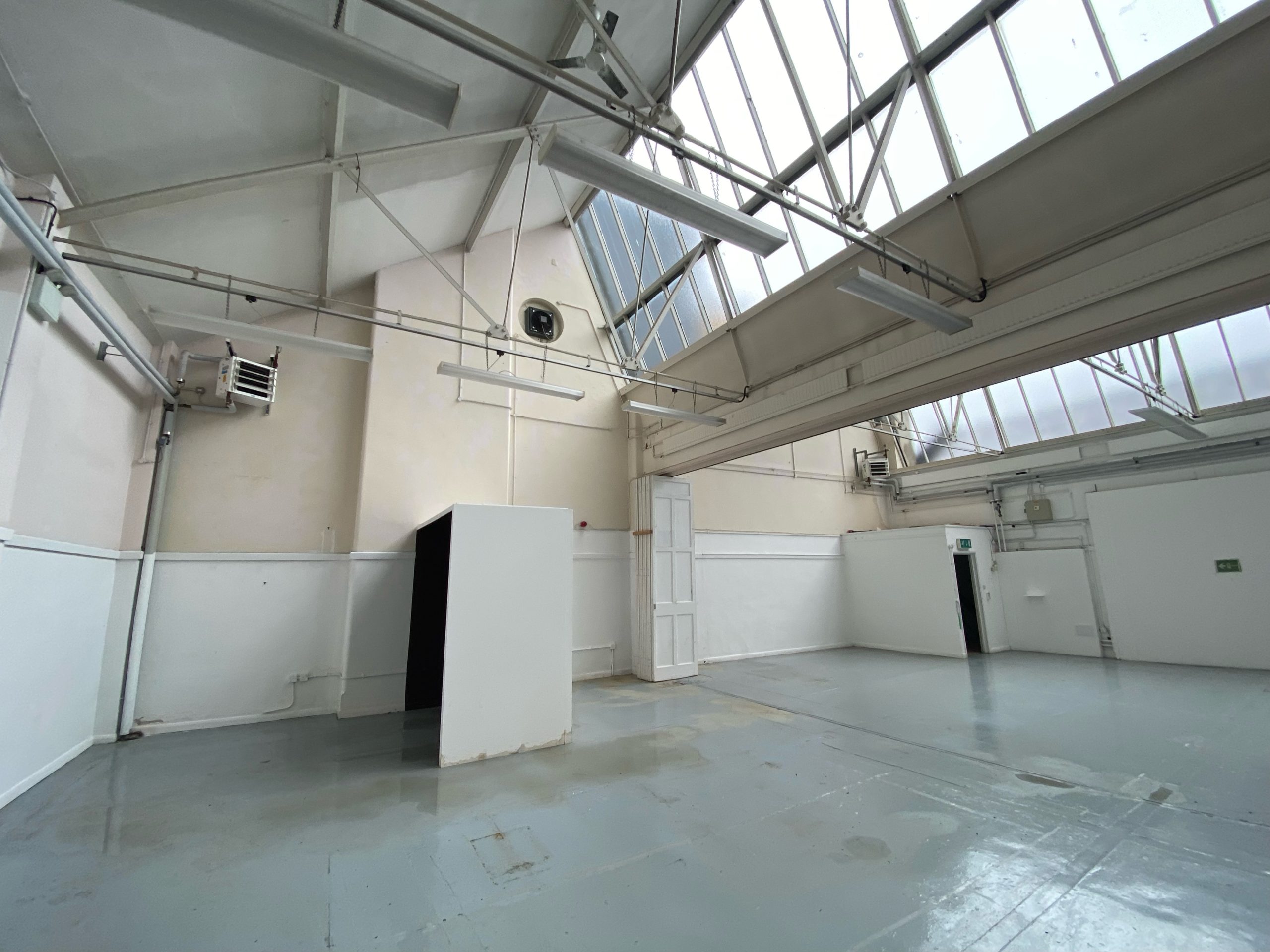
For more than a century it thrived as Canterbury’s home of creativity, before outgrowing its premises and moving off site. The building fell empty in 2020.
The Trust proposes to secure the building from Canterbury City Council under the Community Asset Transfer scheme and bring it back into use as an arts centre.
Cooper’s Gallery and School of Art
The building as we see it today on St Peter’s Street, Canterbury’s ‘High Street’, was built/adapted in 1868 by Cooper, by now wealthy and famous. He purchased the house in which he had been born, to which he attached the portico we see from the street, and purchased all the buildings behind the frontage.
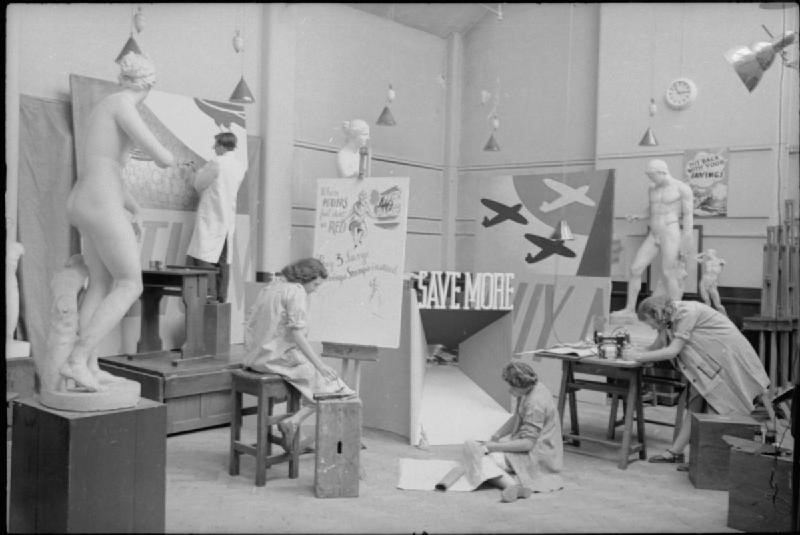
Cooper’s purpose was to establish a Gallery and School of Art to provide the tuition in art that he had never been able to afford. Both boys and girls were accepted, and the only charge was one penny to cover the cost of lighting and heat. His fellow Academician friends donated casts, statues and drawings for students to study and some donated their time to act as examiners, including Lawrence Alma-Tadema, William Morris and Edward Poynter.
Cooper donated the building to the city of Canterbury in 1882 on the condition that it be used in perpetuity for artistic purposes.
Mary Tourtel, creator and illustrator of the Rupert Bear books for children, was one of Cooper’s students. Cooper himself came regularly to teach, often staying late in the evenings to help those boys and girls who could not come during the day.
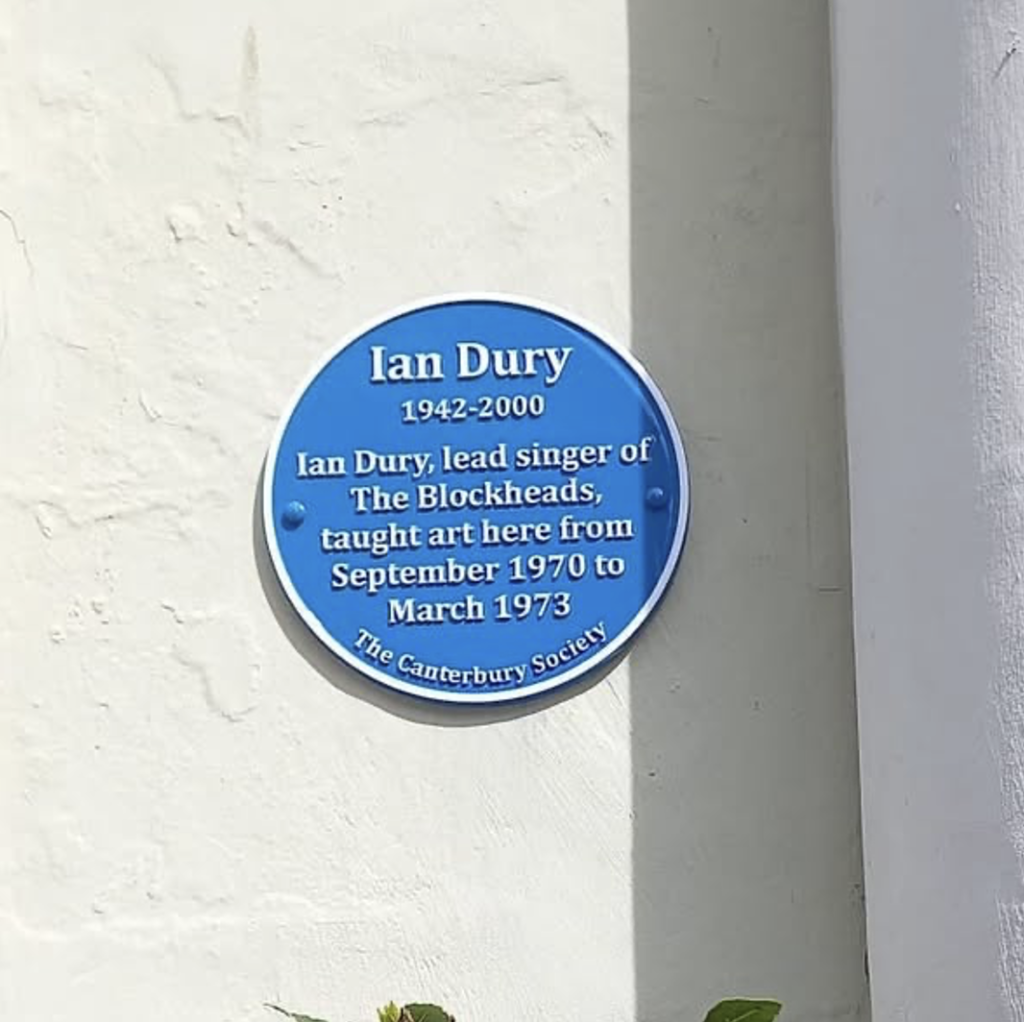
In the 1970s Cooper’s school became the Canterbury College of Art, attracting famous teachers such as Ian Dury and Michael Craig Martin. The college became too big for the building and moved in 1971 to a campus south of Canterbury, was incorporated into the new Kent Institute of Art and Design and then the University for the Creative Arts. The last tenant of the building in the city centre, Canterbury Christ Church University, vacated in 2020.
By re-opening the existing gallery building as an Arts Centre, the Trust will be safeguarding an important Canterbury landmark, Sidney Cooper’s place of birth, and the philanthropic legacy of Cooper himself (and help magnify the impact and importance of the Cooper paintings collection, just a short walk away from the gallery in The Beaney Museum).
Our proposals directly support the aims of the Levelling Up funded work, and the recently published Council Canterbury City Centre Strategy 2026-2043 and Culture Strategy (in preparation), both of which aim to celebrate past history, attract new visitors and private investment, making the city a more beautiful and sustainable place in which to live, work, learn and visit, focused on the city’s rich heritage and culture.
A newly refurbished Arts Centre will become a high-quality tourist attraction, complementing the Cathedral, Marlowe Theatre, The Beaney and other attractions. By encouraging visitors to stay longer in the city we can help increase tourism spend and support local hospitality businesses.
And its location in the high street next to the historic Westgate Tower, will help attract investment to that area of the city. Our proposals also include opening up the rear aspect of the building, and linkages with the Westgate Hall and Curzon Cinema.